
360 Tax & Business Solutions LLC · Reviewed September 30, 2026
Start with a complete income picture
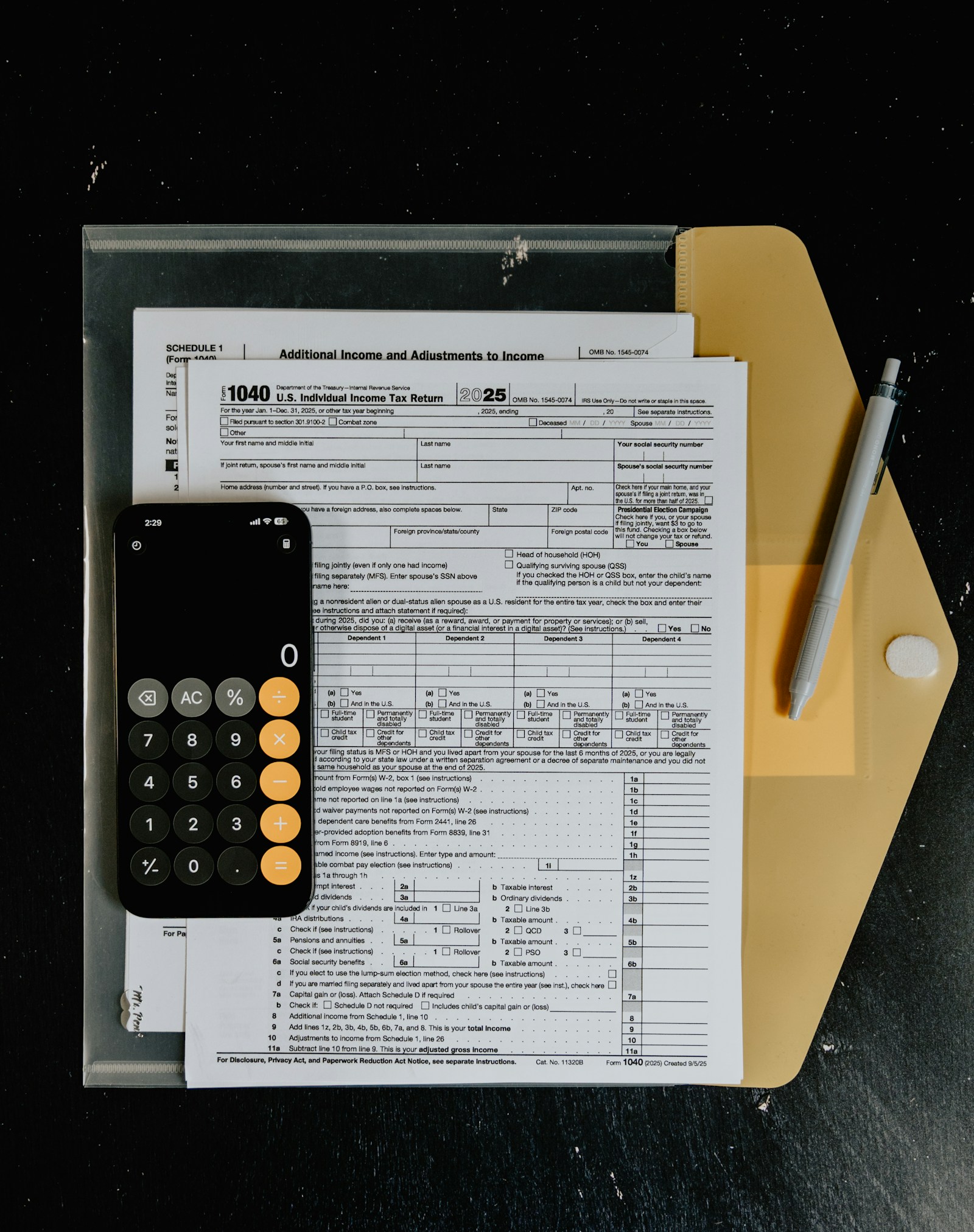
Collect information about wages, self-employment, investment activity and other income streams before drawing conclusions about your tax position. Keep a short list of changes such as a new business, a move, marriage or additional dependents. The useful question is not simply how much you earned, but what your records show and how your circumstances changed.
Review payments during the year
Income tax is generally paid as income is earned through withholding or estimated payments. A new self-employed activity or a significant change in profit is a good reason to review that payment approach. Keep confirmations of payments already made so the discussion is based on actual records rather than memory.
Bring decisions into the conversation early
Before making a large business purchase or changing your operations, discuss the underlying business purpose and the available cash. A tax benefit is only one part of a decision. Prepare the expected cost, timing and intended use so your adviser can identify which questions need review for the relevant year.
Create a workable review routine
Set aside time periodically to update your income and expense summary, identify missing documents and record questions. Use one folder for payment confirmations and another for supporting records. A brief, organized review makes the next conversation more productive. Planning should result in a clear task list: who will provide information, what needs a decision and when to revisit the estimates.